

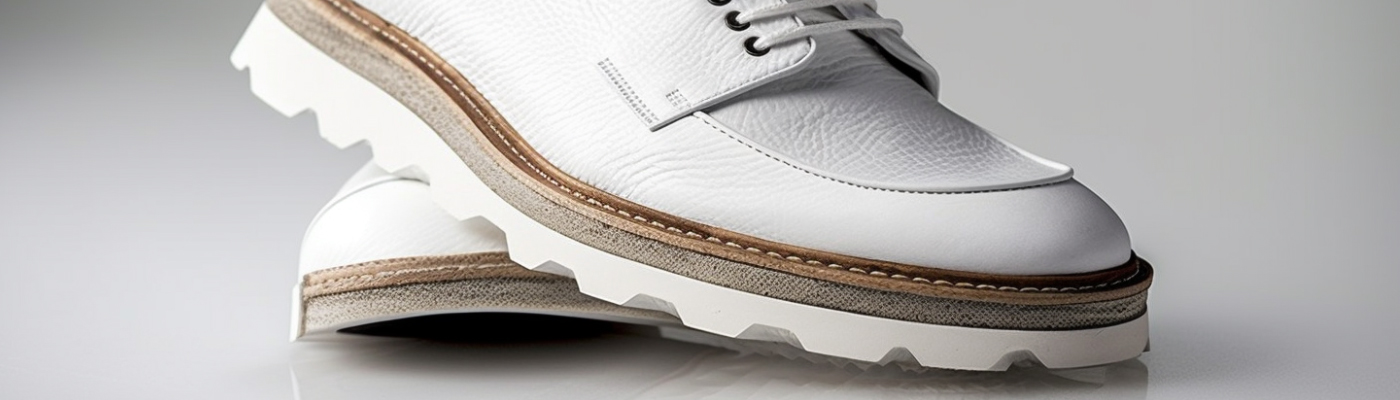
Footwear
Stabilizers are commonly used in the footwear industry, particularly in the manufacturing of footwear materials such as polyurethane (PU) and polyvinyl chloride (PVC). Here are some applications of stabilizers in the footwear industry:
- Heat Stabilizers: Heat stabilizers are added to footwear materials like PVC and PU to protect them from thermal degradation during processing. They help maintain the structural integrity and physical properties of the materials during the molding or extrusion processes.
- UV Stabilizers: Footwear materials, especially those used outdoors, are exposed to UV radiation from sunlight. UV stabilizers are incorporated into the formulations of materials like PVC and PU to prevent UV-induced degradation, such as discoloration, embrittlement, and loss of mechanical properties.
- Antioxidants: Antioxidants are used in footwear materials to prevent oxidative degradation caused by exposure to oxygen, heat, and other environmental factors. They help maintain the appearance, flexibility, and durability of the materials over time, preventing discoloration and loss of mechanical properties.
- Plasticizers: Plasticizers are often added to footwear materials, such as PVC, to improve their flexibility, softness, and comfort. Plasticizers act as stabilizers by reducing the stiffness of the material and enhancing its processability during manufacturing.
- Flame Retardants: In certain applications, such as safety footwear, flame retardant additives may be incorporated into the footwear materials to enhance their fire resistance. These additives act as stabilizers by providing protection against combustion and reducing the spread of flames.
- Antistatic Agents: Antistatic agents are used in footwear materials to reduce or eliminate static electricity buildup. They help prevent dust attraction, enhance comfort, and minimize the risk of electrostatic discharge.
- Processing Aids: Stabilizers in the form of processing aids are used to improve the flow and processability of footwear materials during manufacturing processes like injection molding. They assist in achieving uniform filling of molds and improving the overall quality and consistency of the footwear products.
It’s important to note that the specific selection and combination of stabilizers depend on the type of footwear material, the manufacturing process, desired properties, and regulatory requirements. Different stabilizer combinations may be used to achieve the desired stability, durability, and performance of footwear materials in various applications.